Get Chimney Installation
Chimney installation services help property owners replace or build chimneys to ensure safe, efficient venting for fireplaces, stoves, and heating systems.
If you're considering installing a chimney, you're in the right place to explore your options. Property owners often look into chimney installation for reasons such as enhancing home comfort, improving indoor air quality, or preparing for the installation of a fireplace or stove. Planning a project like this involves understanding the different types of systems available and finding local contractors who can provide expert guidance and quality workmanship. Continuing to explore your options can help ensure your property meets your needs and preferences.
Comparing local service providers can make a significant difference in the success of your chimney installation project. Many property owners seek experienced contractors who understand the specific requirements of their area and can recommend solutions tailored to their property. By reviewing available options and gathering information, you can make informed decisions that best suit your property’s layout and your personal goals. Keep reading to discover how local contractors can assist with your chimney installation needs.
- Chimney Repair - when a chimney shows signs of damage, leaks, or deterioration that compromise safety and functionality.
- Chimney Cap Installation - to prevent debris, animals, or weather elements from entering and damaging the chimney.
- Chimney Cleaning - when soot buildup or blockages affect the efficiency and safety of a fireplace or stove.
- Chimney Relining - if a chimney liner is cracked, damaged, or outdated, affecting proper venting and safety.
- Chimney Replacement - when a chimney is beyond repair or needs complete removal and installation of a new structure.

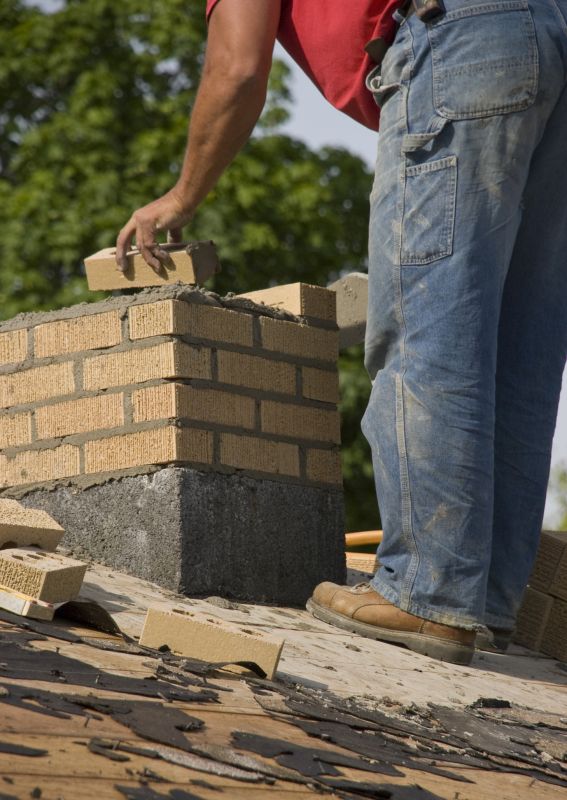
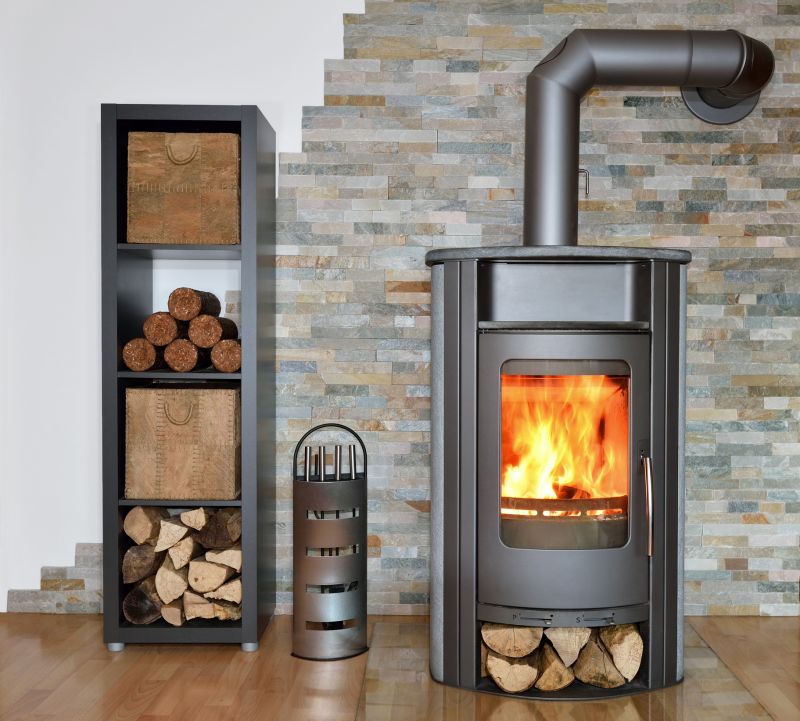
Chimney installation services involve constructing or replacing a chimney system to safely vent smoke, gases, and other byproducts from a fireplace, stove, or heating appliance to the outside. This process includes designing the chimney layout, selecting appropriate materials, and ensuring proper structural integration with the property. Skilled contractors evaluate the property's architecture and heating needs to deliver a functional and efficient chimney setup that meets safety standards and local building codes.
These services are essential for addressing common problems such as inadequate venting, deteriorating chimney structures, or outdated designs that no longer meet current safety or efficiency requirements. A poorly maintained or improperly installed chimney can lead to issues like smoke backdrafts, creosote buildup, or water leaks that damage the property. Installing a new chimney or upgrading an existing one helps prevent these problems, ensuring the heating system operates effectively and safely.
Chimney installation is typically required in a variety of property types, including single-family homes, historic residences, and multi-unit buildings that rely on fireplaces, wood stoves, or other traditional heating methods. Properties with existing chimneys may need repairs or upgrades to improve performance or address structural concerns. New constructions or renovations often include chimney installation as part of the overall design, especially when incorporating fireplaces or heating appliances that require proper venting.
Homeowners who notice signs such as smoke entering the living space, excessive creosote buildup, cracks, or leaning structures should consider consulting local contractors for chimney installation services. Whether building a new chimney, replacing an aging one, or upgrading for better performance, connecting with experienced service providers can help ensure the work is done correctly and safely. Proper installation not only enhances the functionality of heating systems but also contributes to the overall safety and comfort of the property.
The overview below groups typical Chimney Installation projects into broad ranges so you can see how smaller, mid-sized, and larger jobs often compare in your area.
In many markets, a large share of routine jobs stays in the lower and middle ranges, while only a smaller percentage of projects moves into the highest bands when the work is more complex or site conditions are harder than average.
Smaller Repairs - Typical costs for minor chimney repairs, such as mortar patching or cap replacements, generally fall between $250 and $600. Many routine jobs land within this range, making it a common expense for homeowners needing quick fixes.
Chimney Cleaning - Professional cleaning services usually cost between $150 and $300, depending on the chimney’s size and condition. Most standard cleanings are completed within this range, with fewer projects reaching higher prices for extensive buildup.
Full Chimney Inspection - Comprehensive inspections typically range from $200 to $500, with larger or more complex systems possibly exceeding $600. Many inspections fall into the middle of this range, providing a thorough assessment for safety and functionality.
Complete Chimney Replacement - Full replacement projects can vary widely, often costing $3,000 to $7,000 or more for larger, more complex installations. While some projects may be on the lower end, larger or custom jobs tend to push into higher price tiers.
Actual totals will depend on details like access to the work area, the scope of the project, and the materials selected, so use these as general starting points rather than exact figures.
Chimney Crown Repair - involves masonry skills and precise planning similar to chimney installation to ensure proper protection and durability.
Fireplace Renovation - requires knowledge of venting systems and structural adjustments comparable to installing or upgrading chimneys.
Venting System Installation - involves working with ductwork and exhaust pathways, sharing technical expertise with chimney system setup.
Flue Liner Replacement - demands careful handling of existing structures and installation techniques akin to new chimney construction.
Chimney Cap Installation - involves precise fitting and understanding of weatherproofing, similar to finishing a chimney’s exterior.
Masonry Repair and Restoration - requires masonry skills and planning that align with building or repairing chimney structures.
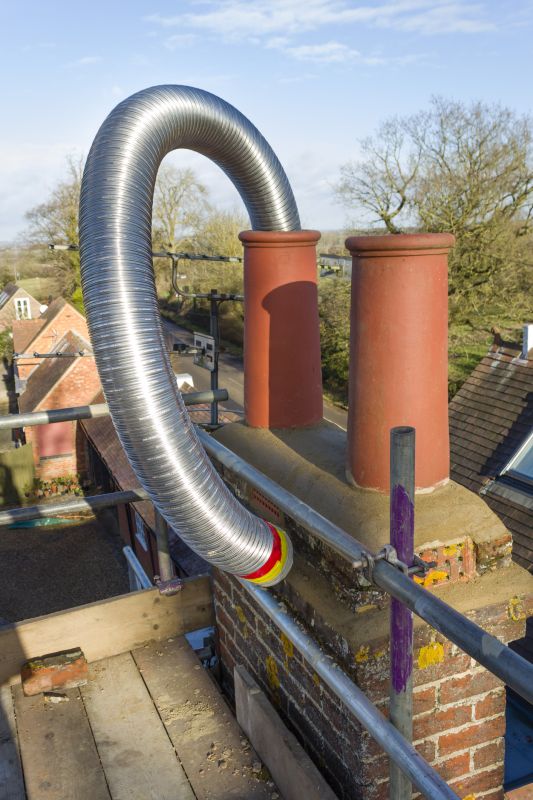
When evaluating local contractors for chimney installation, it’s important to consider their experience with similar projects. Homeowners should look for service providers who have a proven track record of handling chimney installations comparable in scope and complexity to the work at hand. This can help ensure that the contractor understands the specific requirements and challenges associated with the job, leading to a smoother process and a more reliable outcome.
Clear, written expectations are a key aspect of selecting a reputable service provider. Homeowners should seek contractors who can provide detailed estimates or proposals that outline the scope of work, materials to be used, and any other relevant details. Having this information in writing helps prevent misunderstandings and ensures that everyone involved has a shared understanding of what the project entails.
Reputable references and good communication are essential when choosing local pros for chimney installation. Homeowners can ask potential contractors for references from previous clients with similar projects and follow up to learn about their experiences. Additionally, service providers who communicate clearly, respond promptly, and are transparent about their processes tend to be more reliable and easier to work with. It’s important to remember that the site introduces homeowners to local options, but the actual work will be handled by qualified service providers in the community.
Property owners use Chimney Installation services for practical projects around their homes and businesses. This guide focuses on everyday jobs and straightforward project options.
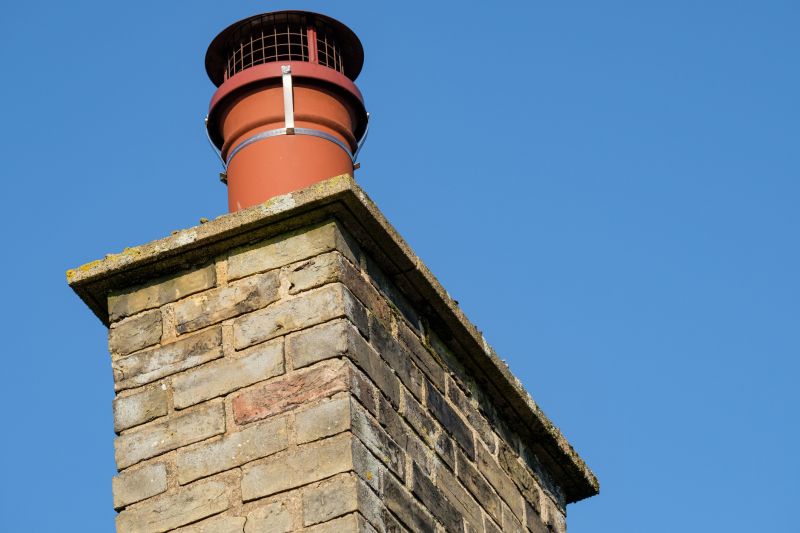

Chimney installation services are often sought after by property owners replacing an aging or damaged chimney or adding a new one to their home. Homeowners may need these services when upgrading their heating systems, venting appliances, or enhancing the aesthetic appeal of their property. Local contractors can assist with ensuring the new chimney is properly integrated into the structure, providing a safe and reliable venting solution for fireplaces, stoves, or heating units.
In many cases, property owners look for chimney installation when constructing a new home or renovating an existing one. Issues such as draft problems, leaks, or deterioration over time can prompt the need for professional installation. Local service providers offer expertise in handling various types of chimneys and can help ensure the work meets safety standards and building codes, giving homeowners peace of mind about the functionality and safety of their venting systems.
What types of chimneys can local contractors install? Local contractors can typically install a variety of chimney types, including masonry, metal, and prefab chimneys, depending on the structure and homeowner preferences.
What factors should be considered before installing a new chimney? Factors such as the building’s design, existing ventilation systems, and safety codes are important considerations when planning a chimney installation with local service providers.
Are there different chimney installation methods used by local contractors? Yes, local contractors may employ various installation techniques based on the chimney type, building structure, and specific project requirements.
What preparations are needed before a chimney installation? Homeowners should ensure clear access to the installation site and provide any necessary permits or documentation required by local regulations.
How do local contractors ensure proper chimney installation? They follow industry standards and best practices to ensure the chimney is installed correctly, safely, and in compliance with local building codes.
Chimney Replacement - When a chimney becomes old or damaged, property owners can explore options for replacement to ensure proper venting and safety.
Chimney Inspection - Regular inspections can help identify potential issues early, preventing costly repairs and maintaining efficient operation.
Chimney Repair - Local contractors can assist with fixing cracks, leaks, or blockages that may affect the chimney’s performance.
Chimney Cap Installation - Installing a cap can help prevent debris, animals, and water from entering the chimney, protecting the interior and extending its lifespan.
If you are thinking about Chimney Installation for a property, this guide is meant to help you understand the work, the typical project types, and how different options might fit your plans.
When you are ready, you can use the quote form on this page to share a few details about your project. From there, local pros can review the basics and respond with options that match what you have in mind.